For over a decade, investors lived in a world defined by ultra-low interest rates and easy access to capital.
But the post-pandemic economy has changed that equation. Rising rates, inflationary pressures, and renewed credit discipline have led to what many call a “repricing of risk.”
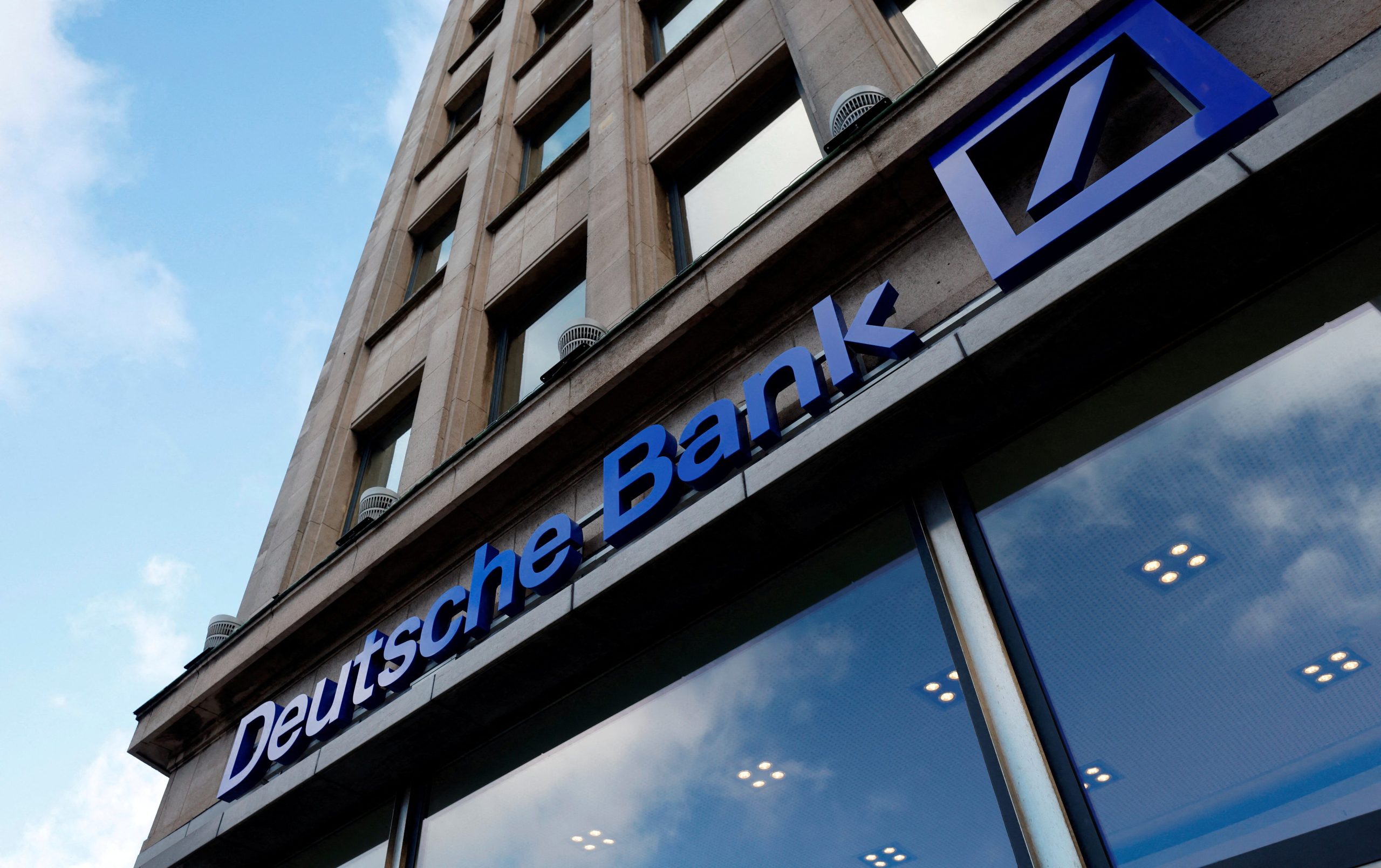
In this new landscape, institutions like Deutsche Bank — one of Europe’s largest financial houses — are once again playing a central role in global credit markets.
At Abundant Life Planners (ALPS), we view this shift as both a reminder and an opportunity: credit markets are cyclical, but disciplined investors who understand their structure can benefit across every cycle.
A Decade of Change in the Credit Landscape
Between 2010 and 2021, interest rates remained near historic lows.
That environment made borrowing cheap, but it also compressed yields — pushing investors toward riskier assets in search of returns.
Now, as central banks have lifted rates to combat inflation, the global credit landscape is undergoing a reset.
The result: fixed income, long overshadowed by equities, has returned as a meaningful source of income and stability.
Financial institutions like Deutsche Bank stand at the centre of this shift — bridging global borrowers and investors through their lending, trading, and bond issuance operations.
The Return of Yield
Higher rates have restored value to credit markets.
Quality corporate bonds and investment-grade instruments are once again offering attractive yields relative to historical norms — without requiring investors to take on excessive risk.
This repricing is healthy. It encourages capital discipline, rewards prudence, and rebalances global portfolios toward more sustainable return profiles.
For investors, it means income is back, but with a stronger emphasis on credit quality and duration management.
The Role of Global Banks
Institutions like Deutsche Bank, JPMorgan, and others function as the arteries of the global financial system.
They facilitate lending, manage liquidity, and price risk through debt instruments and structured products that support economic growth.
When these institutions remain stable and well-capitalised, they help sustain confidence across global credit markets.
That stability benefits not only corporations but also investors holding diversified portfolios with bond exposure.
Lessons for Investors
This new era of credit offers important insights for long-term investors:
-
Bonds are investable again. After years of near-zero yields, quality fixed income now provides real income potential.
-
Credit spreads matter. Understanding the difference between government and corporate bond yields helps identify where opportunity — and risk — lies.
-
Diversification is essential. Blending global credit exposure with equities helps balance return and volatility.
In short, disciplined credit investing isn’t about chasing yield — it’s about capturing income while protecting capital.
Why the Credit Cycle Is Your Ally
Credit cycles are natural.
Periods of tightening often precede stability and recovery.
For investors who stay invested, these transitions can provide opportunities to lock in higher yields and rebalance portfolios toward long-term growth.
As the global economy adapts to higher-for-longer interest rates, fixed income will continue to play a key role in delivering consistency and balance.
Conclusion
The repricing of global credit is not a setback — it’s a realignment.
After a decade of low returns and high speculation, the bond market is once again a powerful source of income and diversification.
At Abundant Life Planners, we help investors navigate this new credit landscape with clarity — balancing opportunity, stability, and disciplined risk management.
If you’d like to explore how global credit exposure can strengthen your portfolio, schedule a Fixed Income Strategy Review with our team today.